statutory severance rights enforceable without court action
Are statutory severance rights enforceable without court action? This is a common concern for employees who have been dismissed and are trying to understand how to recover the compensation they are legally owed. Statutory severance rights are created by employment standards legislation and are designed to provide minimum financial protection when employment ends without cause. In many cases, these rights can be enforced without going to court through government labor departments, employment standards offices, or administrative tribunals. These bodies are empowered to investigate complaints, order employers to pay outstanding severance, and impose penalties for non-compliance, offering employees a more accessible and less costly path to recovery.
The availability of administrative enforcement is one of the major differences highlighted in Statutory vs common law severance federal frameworks. Statutory severance operates within a regulatory system that allows employees to file complaints directly with a government agency rather than initiating a lawsuit. This process often involves submitting documentation of employment, termination details, and unpaid severance amounts. An officer or adjudicator then reviews the case, may conduct interviews or inspections, and ultimately issues a binding decision. For many workers, this administrative route is faster and less intimidating than the court system, making statutory rights more practical and easier to enforce.
However, while statutory severance rights can often be enforced without court action, this path has limitations. Administrative bodies generally only have authority to enforce minimum statutory entitlements. They cannot award damages for wrongful dismissal, bad faith conduct, or additional compensation under common law principles. This distinction becomes especially important when considering Statutory vs common law severance federal models, because employees who pursue statutory remedies alone may unknowingly give up the opportunity to claim much larger compensation through the courts under common law severance.
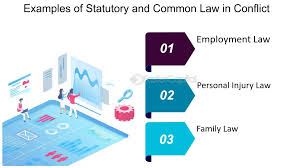
Are statutory severance rights enforceable without court action?
Some employees are required to choose between administrative enforcement and court action. Filing a complaint with a labor authority may prevent the employee from later bringing a civil lawsuit for common law severance, depending on the jurisdiction. This makes the decision strategic. Employees who simply want their minimum statutory severance paid quickly may benefit from the administrative route, while those who believe they are owed significantly more compensation due to age, position, limited job prospects, or employer misconduct may be better served by pursuing a court claim.
Employers are legally obligated to comply with statutory severance requirements regardless of whether the employee files a complaint. Failure to do so can result in fines, enforcement orders, interest on unpaid amounts, and in some cases, public penalties that damage the employer’s reputation. These enforcement mechanisms create strong incentives for employers to pay statutory severance voluntarily once employment ends, often resolving the matter without the need for any formal proceedings.
In practice, many statutory severance disputes are resolved through negotiation before either administrative or court processes begin. Employees who understand their rights are often able to prompt payment simply by formally asserting their entitlement. Legal counsel can further strengthen these negotiations by clearly outlining the employer’s obligations and potential consequences for non-compliance.
In conclusion, statutory severance rights are frequently enforceable without court action through government enforcement systems designed to protect workers efficiently and affordably. However, employees must carefully weigh their options, because the choice between administrative enforcement and civil litigation can significantly affect the total compensation they receive. Viewed through the lens of Statutory vs common law severance federal analysis, statutory enforcement offers accessibility and speed, while common law remedies provide the opportunity for broader and more substantial financial recovery.