high performance flooring withstand extreme temperatures
Extreme temperature conditions present serious challenges for many building materials, especially flooring systems that must remain stable, safe, and durable over long periods of use. This leads to an important consideration for facility owners and planners: Can high performance flooring withstand extreme temperatures? The answer depends on how these flooring systems are designed, but in most demanding environments, they are specifically engineered to perform reliably under both high and low temperature conditions.
High performance flooring is developed using advanced materials and formulations that allow it to maintain structural integrity when exposed to temperature fluctuations. In industrial settings such as manufacturing plants, foundries, or commercial kitchens, floors may be subjected to high heat from equipment, hot liquids, or frequent cleaning with hot water. High performance flooring resists softening, warping, or surface breakdown in these conditions, ensuring continued safety and performance.
Cold environments are equally demanding, particularly in cold storage facilities, refrigerated warehouses, and food processing plants. Traditional flooring materials can become brittle and prone to cracking when exposed to low temperatures. High performance flooring is designed to remain flexible and strong in cold conditions, reducing the risk of cracks and surface failure. This stability helps maintain a safe walking surface and protects the underlying structure from damage.
Thermal shock is another major concern in environments where floors experience sudden temperature changes. For example, a floor may be exposed to freezing temperatures and then cleaned with hot water, creating rapid expansion and contraction. High performance flooring is engineered to handle these rapid changes without delamination or cracking. Its ability to absorb thermal stress makes it suitable for facilities with rigorous cleaning routines and fluctuating temperature demands.
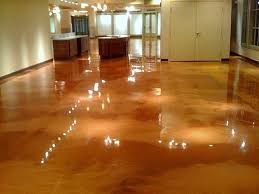
Can high performance flooring withstand extreme temperatures?
In addition to structural performance, safety is closely tied to temperature resistance. High performance flooring often maintains its slip-resistant properties even when exposed to extreme heat or cold. This is especially important in workplaces where temperature-related surface changes could otherwise increase the risk of slips and falls. By providing consistent traction, these flooring systems support safer working conditions across a range of environments.
Long-term durability under extreme temperatures also contributes to cost efficiency. Flooring that fails prematurely due to thermal stress can lead to frequent repairs, operational downtime, and higher maintenance costs. High performance flooring minimizes these risks by delivering long-lasting performance in challenging thermal conditions. Its resistance to temperature-related wear helps facilities maintain uninterrupted operations.
Installation and material selection play a key role in temperature performance as well. High performance flooring systems are often tailored to specific environmental needs, ensuring the right composition and thickness for the expected temperature range. When properly installed, they form a seamless surface that further enhances thermal stability and prevents moisture penetration that could worsen temperature-related damage.
Overall, high performance flooring is well suited to environments exposed to extreme temperatures. Its ability to withstand heat, cold, and rapid temperature changes makes it a reliable choice for industrial, commercial, and specialized facilities. By maintaining safety, durability, and performance under harsh thermal conditions, high performance flooring proves to be a dependable long-term flooring solution.