unlawful dismissal covered by employment tribunals
Employment tribunals are often the primary venue for resolving disputes between employers and employees, including cases involving unlawful dismissal. These specialized courts are designed to handle workplace issues in a more accessible and less formal setting than traditional courts. Whether a claim involves unfair treatment, breach of contract, or discrimination, employment tribunals offer a platform for individuals to seek redress. When it comes to unlawful dismissal, the tribunals play a significant role in determining whether an employer’s decision to terminate an employee violated legal protections.
Unlawful dismissal typically refers to termination that breaches employment legislation, such as anti-discrimination laws, retaliation protections, or statutory rights related to parental leave, whistleblowing, or health and safety concerns. In such cases, the employee may argue that the dismissal was not just unfair but also illegal. Employment tribunals have jurisdiction to hear and rule on these matters, provided the claim falls within the time limits and procedural rules established by the relevant legislation.
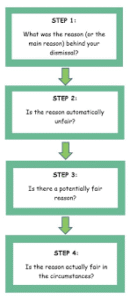
One of the key functions of an employment tribunal is to assess whether the employer had a lawful reason for dismissing the employee and whether proper procedures were followed. In cases involving unlawful dismissal, the tribunal may examine whether the termination was motivated by discriminatory factors or whether it breached specific statutes. For instance, if an employee was dismissed after reporting illegal activity in the workplace, and this action falls under whistleblower protection laws, the tribunal can evaluate whether the dismissal was retaliatory and therefore unlawful.
Is unlawful dismissal covered by employment tribunals?
The process of bringing a claim of unlawful dismissal to an employment tribunal usually begins with a preliminary step, such as contacting a mediation or conciliation service. In the UK, for example, individuals must first engage in Early Conciliation through Acas before submitting their claim to the tribunal. This helps resolve disputes without formal hearings. If conciliation fails, the case proceeds to a tribunal, where both parties present evidence, call witnesses, and make legal arguments.
Tribunals are empowered to issue remedies when they find that unlawful dismissal has occurred. These remedies can include compensation for lost earnings, reinstatement to the employee’s former position, or an order for the employer to pay damages for injury to feelings, particularly in discrimination cases. The amount and type of remedy depend on the circumstances of the dismissal and the impact it had on the employee’s life and career.
While employment tribunals offer a relatively efficient and cost-effective means of resolving workplace disputes, not all claims are successful. Employees must provide convincing evidence that their dismissal was not only unjust but unlawful under specific legal provisions. In cases where the evidence is lacking or procedural rules are not followed, the claim may be dismissed.
In conclusion, unlawful dismissal is indeed covered by employment tribunals in many legal systems. These tribunals provide a crucial avenue for employees to challenge terminations that violate statutory rights or involve discriminatory or retaliatory motives. Understanding the role of the tribunal and the legal standards involved is essential for anyone considering pursuing such a claim.