The World of Automobiles: A Journey Through Innovation
The automobile industry is one of the most dynamic and influential sectors in the global economy. From the invention of the first car in the late 19th century to the emergence of electric and autonomous vehicles in the 21st century, the automobile has revolutionized how people live, work, and travel. With continuous advancements in technology, design, and sustainability, the automotive industry remains at the forefront of innovation.
The Evolution of Automobiles
The journey of the automobile began with Karl Benz’s invention of the Benz Patent-Motorwagen in 1886, often regarded as the first true car. Powered by an internal combustion engine, it marked the beginning of personal transportation. Henry Ford’s introduction of the assembly line in the early 20th century revolutionized mass production, making cars affordable to the general public. This era saw the birth of iconic brands such as Ford, General Motors, and Chrysler in the United States, alongside European pioneers like Mercedes-Benz and Volkswagen.
Post-World War II, the automobile industry expanded rapidly, fueled by economic growth and advancements in engineering. The 1950s and 1960s were characterized by the rise of muscle cars in the U.S., compact cars in Europe, and innovative designs in Japan. By the late 20th century, Japanese manufacturers like Toyota and Honda had become global leaders, emphasizing reliability and fuel efficiency.
Modern Automotive Technologies
The 21st century has ushered in an era of unprecedented technological advancements in the automotive sector. Modern cars are no longer just modes of transportation; they are sophisticated machines equipped with cutting-edge technology.
- Electric Vehicles (EVs): The shift toward sustainability has driven the adoption of electric vehicles. Companies like Tesla, Nissan, and Rivian have made significant strides in developing EVs that offer high performance, longer ranges, and reduced environmental impact. Governments worldwide are incentivizing EV adoption to combat climate change.
- Autonomous Driving: Self-driving cars, powered by artificial intelligence and advanced sensors, are becoming a reality. Companies like Waymo and traditional automakers like Mercedes-Benz are testing autonomous technologies, promising safer and more efficient transportation.
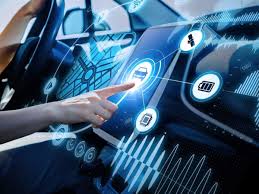
- Connectivity: Modern cars are equipped with advanced infotainment systems, internet connectivity, and smart features. Vehicle-to-everything (V2X) communication allows cars to interact with each other and with infrastructure, enhancing safety and traffic management.
- Sustainable Materials and Production: Automakers are increasingly using recycled materials and energy-efficient manufacturing processes to reduce their carbon footprints. Lightweight materials, such as aluminum and carbon fiber, improve fuel efficiency and performance.
Challenges and Opportunities
While the automotive industry is thriving, it faces challenges such as fluctuating fuel prices, supply chain disruptions, and environmental concerns. The global push for decarbonization has prompted automakers to innovate and adapt, leading to a surge in research and development in renewable energy, battery technology, and alternative fuels like hydrogen.
Emerging markets present immense growth opportunities. Countries like India, Brazil, and Southeast Asian nations are witnessing increased demand for affordable and efficient vehicles, prompting automakers to design region-specific models.
Conclusion
The automobile is more than just a machine; it is a symbol of human ingenuity and progress. From revolutionizing transportation to shaping urban development and contributing to economic growth, the impact of automobiles is profound. As the industry navigates the challenges of sustainability and technological integration, it continues to pave the way for a future where mobility is smarter, greener, and more accessible to all.